JOIN US FOR THE 2024 CPED CONVENING!

October 14-17, 2024
Hosted by the University of Hawai'i at Mānoa in Honolulu, HI
Registration, hotel, and exchange information are available HERE.
WANT TO ENGAGE MORE WITH CPED?
CPED facilitates monthly webinars covering a variety of topics - from what it means to support students, steps that can be taken to ensure an equitable learning environment, practical examples of dissertations in practice, and more. You don't have to wait until the convening to engage with other CPED members.
View Our Calendar
THE COMING OF AGE OF THE EDUCATION DOCTORATE SERIES
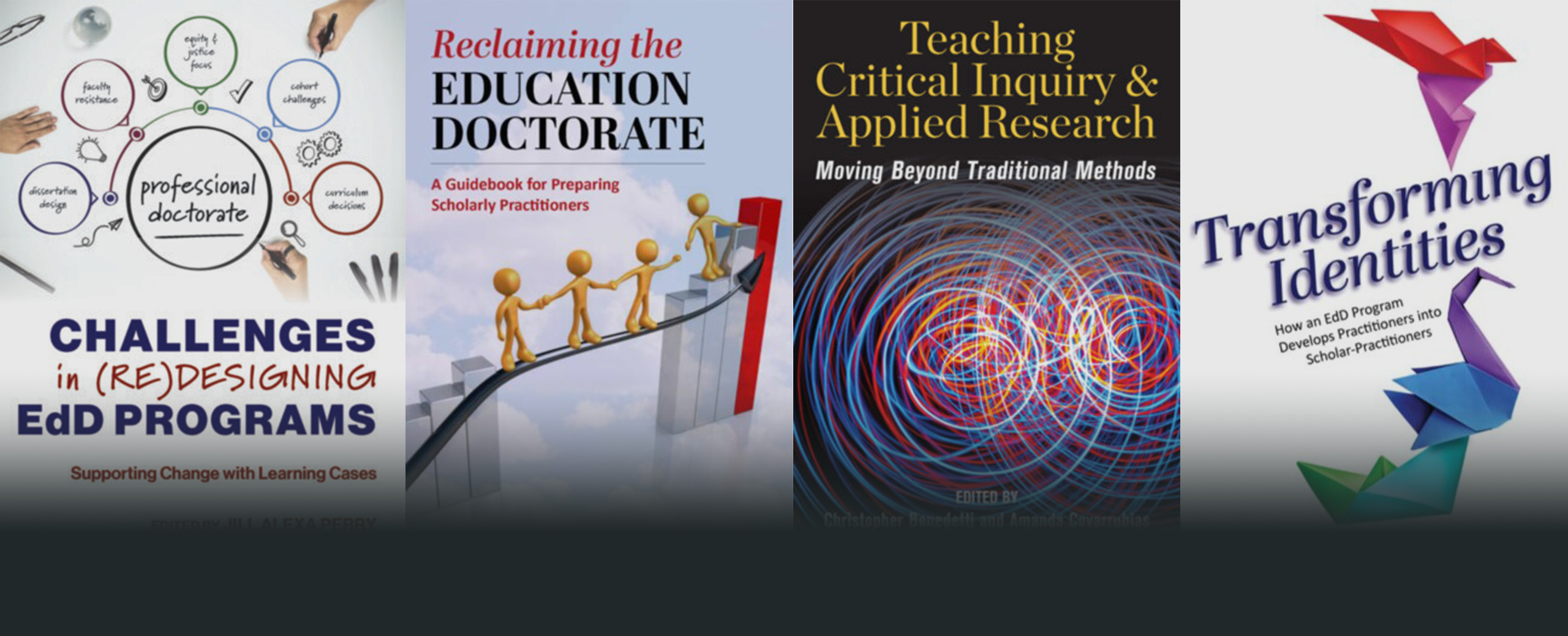
The mission of The Coming of Age of the Education Doctorate series is to present volumes of research and work focused on the redesign of the Education Doctorate (EdD) and the past 16+ years that faculty and schools of education around the US and the world have made to professionalize this degree for the advanced preparation of educational practitioners. Specifically, this series will highlight efforts to enhance and enrich the purpose, curriculum, and milestone experiences in the EdD in addition to highlighting the work of those who have graduated from redesigned EdD programs. If you are interested in submitting a book proposal, please review the call below.
View the Call for Book Proposals
See the Latest CPED NewsA Unique NetworkThe Carnegie Project on the Education Doctorate (CPED) is an international network of 135+ graduate schools of education leading the charge to transform the Education Doctorate into the Professional Practice Doctorate in Education. Members are committed to rethinking advanced educational preparation through improved EdD program designs that offer academic rigor, practical impact, applied research, and value. CPED, the first action-oriented effort working to distinguish the EdD from the PhD, defines the EdD as one that prepares educators to become Scholarly Practitioners who can apply appropriate and specific practices, generate new knowledge, and steward the profession. The Knowledge ForumCPED is the Knowledge Forum on the EdD. Program designs are supported through a curated set of resources, national data about programs, and Impacting Education: Journal for Transforming Professional Practice (IE), the peer-reviewed, open-source academic journal of the Carnegie Project on the Education Doctorate. Network and Knowledge = Professional DevelopmentCPED guides its members in critically examining the EdD through dialog, experimentation, critical feedback, and evaluation. Through professional development opportunities and a wide range of resources, member institutions learn to (re)design their EdD programs to better serve practitioners while networking with a supportive and resourceful professional community. Member opportunities for professional development include:
Vision and MissionWe envision a future where equity-minded educational professionals lead lasting and positive change for the learning and benefit of everyone. The Carnegie Project on the Education Doctorate (CPED) transforms the advanced preparation of educational professionals to lead through scholarly practice for the improvement of individuals and communities. HistoryWith the support of the Carnegie Foundation for the Advancement of Teaching (CFAT) under the leadership of then President Dr. Lee Shulman and the backing of the Council for Academic Deans of Research Education Institutions (CADREI), The Carnegie Project on the Education Doctorate (CPED) began in 2007. With 25 member institutions and a small pot of funds from the Carnegie Foundation, CPED created an ambitious goal to redesign doctoral preparation for professional practitioners. Today, CPED is an active international network with over 135 member institutions.
Membership
Broad and diverse membership is central to CPED’s success. Annually, CPED invites schools and colleges of education from around the world to join its 135+ member institutions in the work of transforming the EdD into the professional practice doctorate in education. Through professional development opportunities and a wide range of resources, CPED member institutions and their faculty learn to redesign their EdD programs to better serve practitioners. Benefits of membership include a professional development network that supports schools and colleges of education in EdD program design, annual Convenings, virtual events, resources to access national data, opportunities for collaboration and publication. Explore MembershipThe Framework©
Through a collaborative, authentic process, members of CPED developed a Framework for EdD program design that supports creating quality, rigorous practitioner preparation while honoring the local context of each member institution. The three-part Framework for EdD redesign includes a new definition of EdD, a set of guiding principles for program development, and a set of design concepts that serve as program building blocks. CPED members are often at different phases in the process; as they engage in the consortium, they utilize the Framework© to design/redesign, evaluate, and improve their programs. See the Framework® |
Impacting Education: Journal on Transforming Professional Practice

This online, open-source journal seeks to provide a forum where academics and practitioners alike may publish scholarly articles that meaningfully contribute to the improved preparation of PK-20 educational leaders through the examination of the development, redesign, and improvement of professional preparation programs as well as the outcomes of such programs including the skills, knowledge, dispositions, and impact of EdD program graduates.